




What Tools Do Affiliates Need to Get Started?
What tools do affiliates need? Start with a tracking link, simple content tools, traffic methods, and support that helps you take action with confidence.

How Affiliates Use Social Media to Get Leads
Learn how affiliates use social media to build trust, attract free traffic, and turn everyday posts into qualified leads without a website or paid ads.

Affiliate Marketing Legitimacy Explained Clearly
Affiliate marketing legitimacy comes down to transparent offers, useful training, honest promotion, and action. Learn what to look for before you begin.

Online Business Education That Leads to Action
Online business education can be simple: learn affiliate marketing step by step, use practical tools, find traffic, and take confident action each day.

How to Make Money Online With Affiliate Links
Learn how to make money online with affiliate links using simple promotion, free traffic methods, tracking, and practical beginner support for growth.

What Are Affiliate Cookies and How Do They Work?
What are affiliate cookies? Learn how these tracking files credit sales, why cookie length matters, and how beginners can promote offers with confidence.

How to Write Affiliate Product Reviews That Sell
Learn how to write affiliate product reviews that build trust, explain real value, and help beginners turn helpful content into steady online income.

Affiliate Platforms: A Simple Way to Start
Affiliate platforms can help beginners promote offers, track results, and learn what works. See what to look for before you choose a platform to start.

Affiliate Training Versus Online Courses: What Works?
Affiliate training versus online courses: see which path gives new marketers practical tools, traffic guidance, and support to take their first steps.
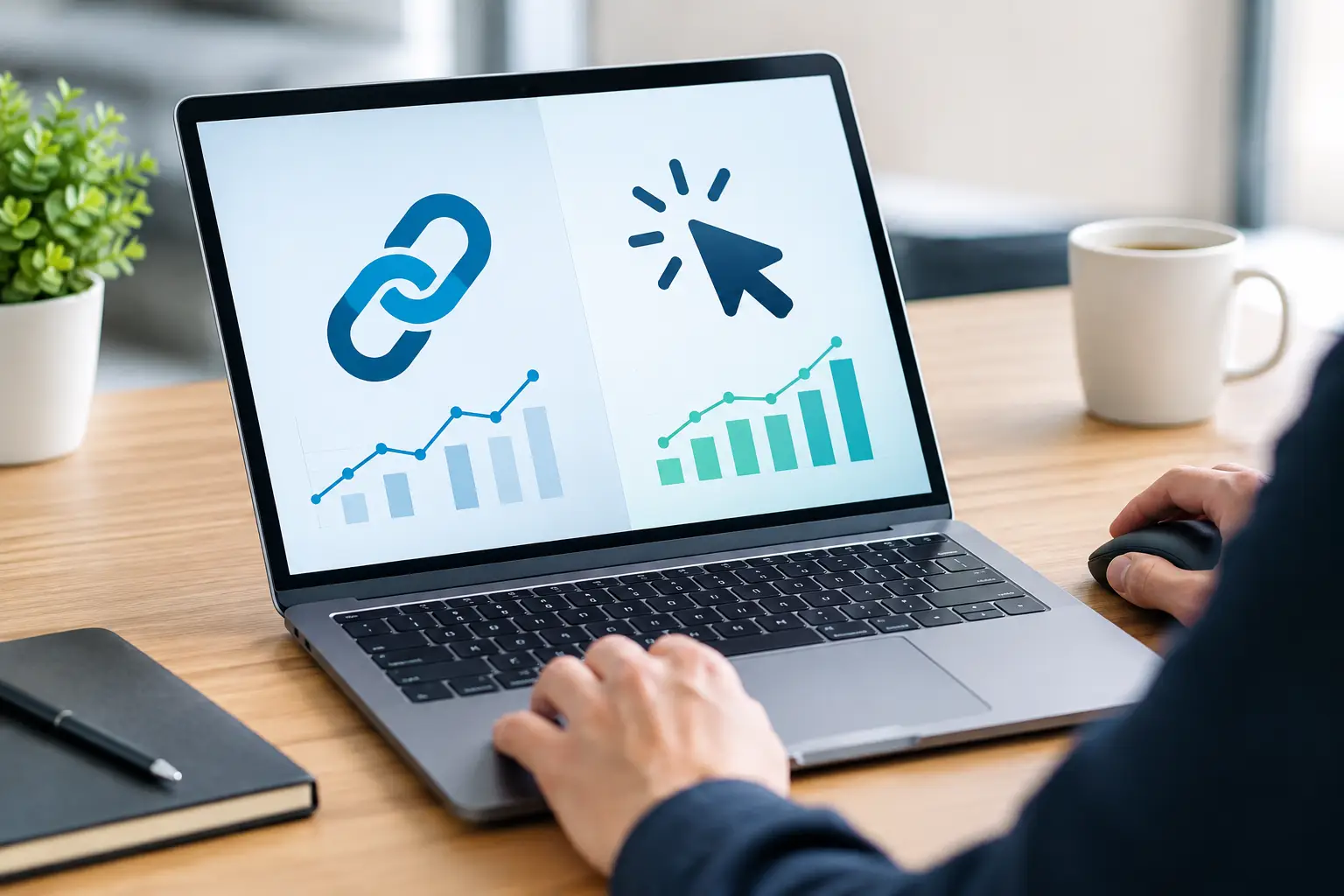
Link Tracking vs Click Tracking Explained
Learn the difference between link tracking vs click tracking, what each metric tells you, and how beginners can use both to improve affiliate results.

7 Affiliate Campaign Examples Beginners Can Copy
See affiliate campaign examples that show beginners how to share offers, attract free traffic, track clicks, and build confidence one step at a time.

Does Affiliate Marketing Require Money to Start?
Does affiliate marketing require money? Learn what you can start free, which costs matter later, and how beginners can build momentum step by step today.

Best Affiliate Tools for Beginners to Start With
Find the best affiliate tools beginners can use to track links, find traffic, organize content, and promote offers without technical headaches and delays.

9 Best Lead Magnets for Affiliates That Convert
Find the best lead magnets for affiliates, from quick-start checklists to mini training, and learn how to build trust before making a clear online offer.

How to Earn Commissions Online as a Beginner
Learn how to earn commissions online with a clear beginner plan: choose offers, share one tracking link, find free traffic, and improve with support today.

An Affiliate Marketing Beginner Success Story
An affiliate marketing beginner success story shows how simple daily actions, free traffic, and support can turn confusion into steady progress online.

Digital Marketing Made Simple for Beginners
Digital marketing for beginners made simpler: learn how to choose an offer, attract attention, track results, and build skills without tech overwhelm.

10 Best Digital Products to Promote for Beginners
Find the best digital products to promote as a beginner, choose offers people want, and start sharing them with simple, practical traffic methods today.

How to Build Online Income Without Tech Overload
Learn how to build online income with simple affiliate marketing steps, free traffic habits, and support that helps beginners take action with confidence.

How to Create Affiliate Disclosures That Build Trust
Learn how to create affiliate disclosures that are simple, honest, and easy to place, so new affiliate marketers can build trust and stay transparent.

10 Top Affiliate Beginner Mistakes to Avoid
Avoid the top affiliate beginner mistakes that drain time and confidence. Follow steps to choose offers, find traffic, track results, and keep moving.

7 Best Email Tools for Affiliates in 2026
Compare the best email tools for affiliates and choose a beginner-friendly platform to build trust, follow up consistently, and grow commissions each week.

How Long Does Affiliate Marketing Take to Work?
How long does affiliate marketing take to work? Learn what affects your timeline, what early progress looks like, and how to build momentum faster today.

Can Email Lists Grow Affiliate Income? Yes.
Can email lists grow affiliate income? Learn how beginner-friendly emails build trust, bring repeat clicks, and turn free traffic into steady commissions.
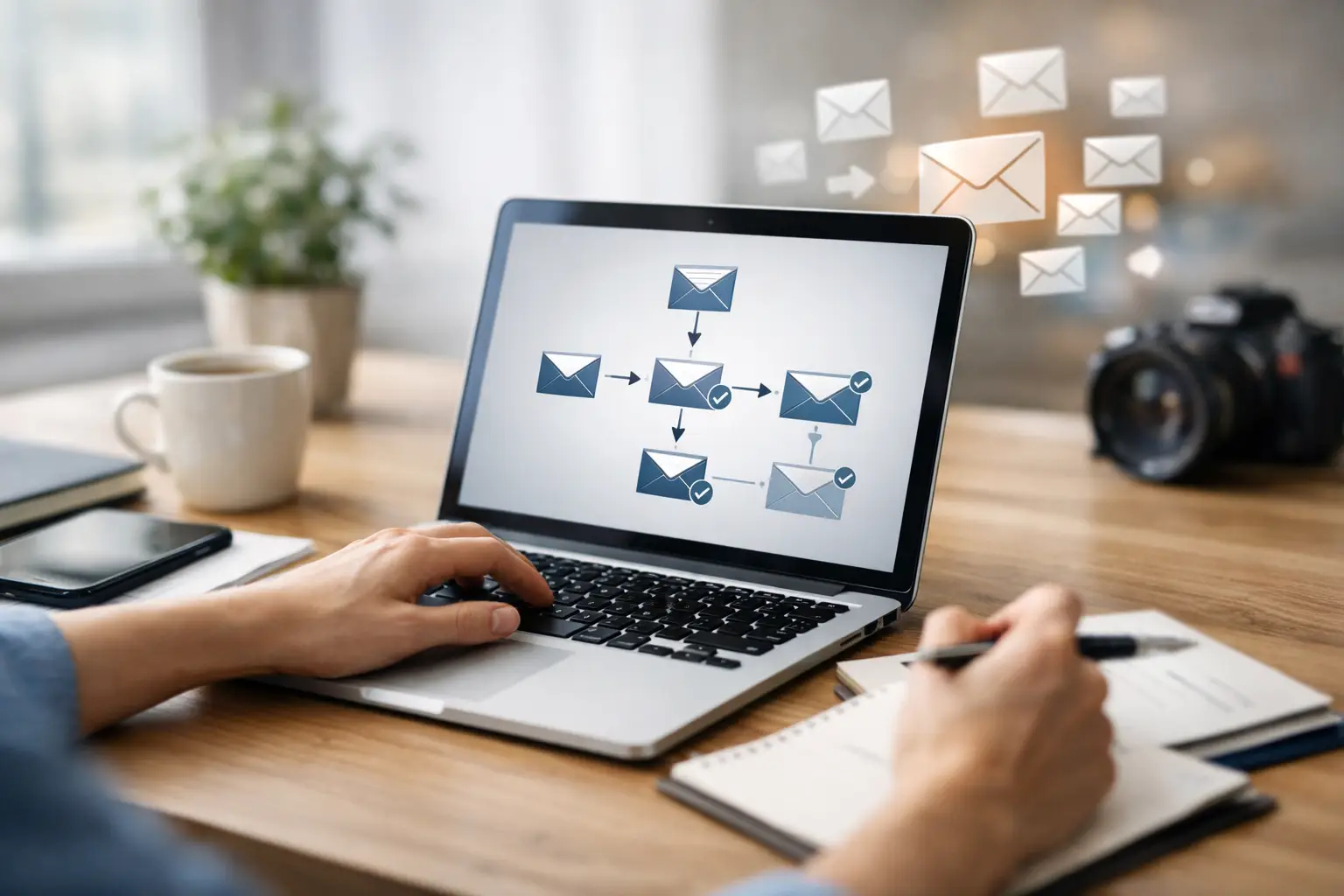
Email Sequence Guide for New Affiliate Marketers
This email sequence guide shows new affiliate marketers how to welcome leads, build trust, and follow up with simple emails that encourage action today.

How to Avoid Affiliate Scams Before You Join
Learn how to avoid affiliate scams with simple checks for offers, claims, fees, and support, so you can choose a real path to affiliate marketing today.

Can Free Traffic Generate Commissions? Yes.
Can free traffic generate commissions? Learn how beginners can turn consistent free traffic into affiliate clicks, leads, and realistic online income.

How to Find High Converting Offers That Fit
Learn how to find high converting offers by checking demand, buyer intent, commissions, and support before spending time sending your traffic online.

Affiliate Network Review: What Beginners Should Check
An affiliate network review helps beginners compare offers, tracking, support, and payouts so they can choose a simple program and start promoting with confidence.
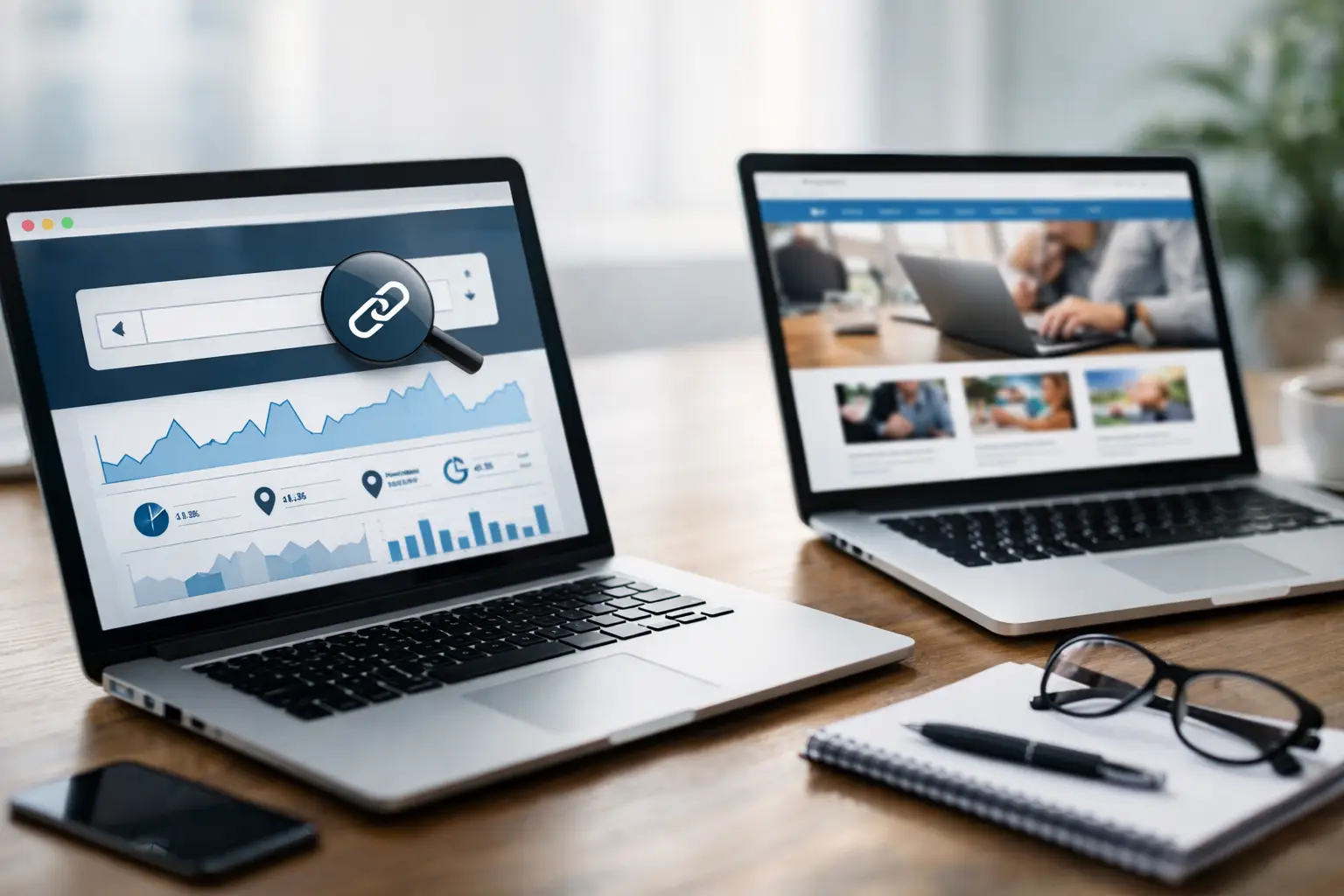
Tracking Link vs Website: What Beginners Need
Tracking link vs website explained for affiliate beginners: see what each tool does, when to use it, and how to start promoting without tech stress today.

Affiliate Software: A Simple Start for Beginners
Affiliate software helps beginners track clicks, manage links, and follow a clear path from sharing offers to building real online marketing skills.

7 Best Affiliate Networks for Beginners
Compare the best affiliate networks for beginners, learn what to look for, and choose a simple first program you can promote with real confidence today.

Lead Magnet Guide: Build Your First List
This lead magnet guide shows beginner affiliate marketers how to create a simple free offer, collect leads, and follow up without tech overwhelm or a website.

Why Are Affiliate Clicks Not Converting? Fix It
Why are affiliate clicks not converting? Learn what blocks sales, how to improve your message and traffic, and the simple steps to turn clicks into action.

What an Affiliate Course Review Should Reveal
Read this affiliate course review guide to spot training, traffic tools, support, and realistic expectations before choosing a program to start online.

Affiliate Network vs Affiliate Program Explained
Affiliate network vs affiliate program explained for beginners: learn who runs each model, how you earn, and how to choose a simple starting path today.

Link Tracking: See What Brings You Leads
Link tracking shows which posts, emails, and traffic sources bring clicks and leads, so beginner affiliate marketers can focus on what works every day.

How to Test Affiliate Landing Pages Step by Step
Learn how to test affiliate landing pages with simple steps that help beginners improve clicks, leads, and confidence without technical overwhelm today.

How to Build an Email List for Affiliate Marketing
Learn how to build an email list for affiliate marketing with simple lead magnets, follow-up emails, and free traffic methods beginners can use today.

Conversion Tracking Guide for Affiliate Beginners
This conversion tracking guide shows affiliate beginners how to measure clicks, leads, and sales so they can improve what works with confidence every day.

Affiliate Marketing Automation for Beginners
Learn how affiliate marketing automation saves time, keeps follow-ups organized, and helps beginners promote offers with a simple, guided daily system.

Beginner Affiliate Setup Guide for First Sales
Follow this beginner affiliate setup guide to choose an offer, use your tracking link, find free traffic, and build daily habits that create momentum.
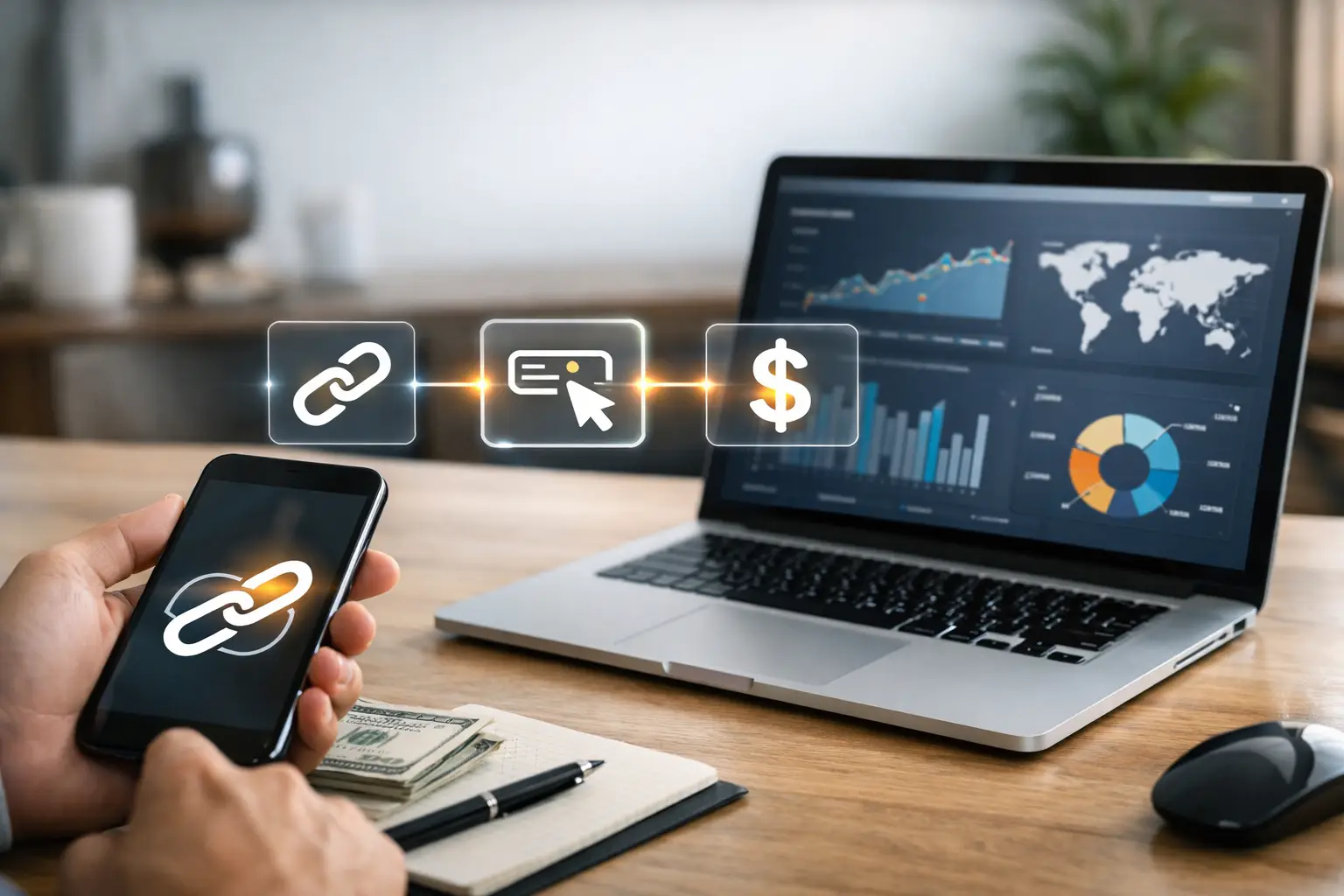
How to Use Tracking Links for Affiliate Sales
Learn how to use tracking links to see where clicks come from, improve your affiliate promotion, and make smarter next-step decisions with confidence now.

Build a Lead Generation System Beginners Can Use
Build a lead generation system that brings in prospects, follows up with purpose, and helps new affiliate marketers take confident daily action today.

A Simple Affiliate Onboarding Process
Learn the affiliate onboarding process step by step, from setting up your tracking link to sharing offers and building confidence with free traffic today.

7 Top Free Traffic Platforms for Beginners
Learn which top free traffic platforms help new affiliate marketers get seen, build trust, and turn simple daily actions into steady lead flow online.

Affiliate Marketing Trends 2026 You Can Use
Affiliate marketing trends 2026 favor simple, helpful content, trusted recommendations, and smart tracking. See what beginners should focus on first.
Affiliate Training Platform Review for Beginners
This affiliate training platform review explains the training, tracking link, free traffic lessons, and support beginners need to take their first steps.

Free Traffic Strategy Guide for New Affiliates
Use this free traffic strategy guide to attract interested visitors, share affiliate offers confidently, and build daily habits without a website or ads.

Done for You Affiliate Marketing Tools That Help
Done for you affiliate marketing tools can give beginners a working path to promote offers, track clicks, learn traffic, and take action with support.

10 Best Lead Generation Methods for Beginners
Learn the best lead generation methods for affiliate beginners, from free traffic and helpful content to follow-up systems that turn interest into action.

How to Generate Affiliate Leads Without a Website
Learn how to generate affiliate leads with simple free-traffic methods, helpful content, and a follow-up plan that beginners can use with confidence.

Free Traffic vs Paid Ads: What Wins?
Free traffic vs paid ads: learn the real trade-offs, costs, and best choice for affiliate beginners who want results without wasting money.

Is Affiliate Marketing Good for Beginners?
Is affiliate marketing good for beginners? Learn the real pros, risks, and simple first steps to start without tech skills or a big budget.

How to Start Affiliate Marketing With No Money
Learn how to start affiliate marketing with no money using free traffic, simple tools, and beginner-friendly steps to earn online with confidence.

Affiliate Marketing Side Hustle for Beginners
Start an affiliate marketing side hustle for beginners with simple steps, free traffic ideas, and a realistic plan to earn online with confidence.

How to Promote Affiliate Offers Without Social Media
Learn how to promote affiliate offers without social media using beginner-friendly traffic methods, simple tools, and consistent action.

Beginner Affiliate Marketing System That Works
A beginner affiliate marketing system should be simple, guided, and built for action. Learn the setup, traffic, and support that help new marketers start.
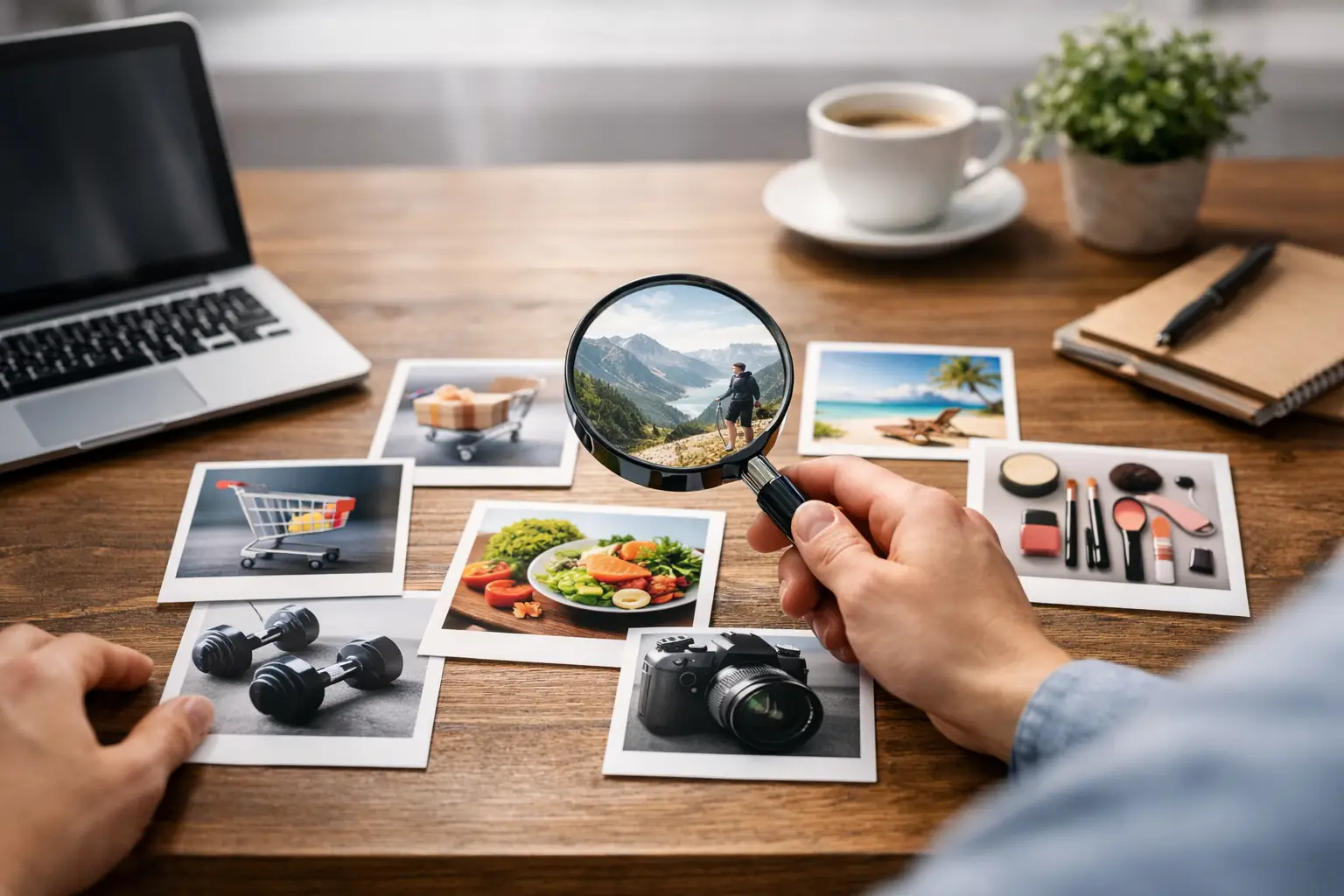
How to Choose an Affiliate Niche That Fits
Learn how to choose an affiliate niche that fits your goals, skills, and audience so you can start promoting with more confidence and less guesswork.

Affiliate Marketing With Live Coaching Works
Affiliate marketing with live coaching helps beginners learn faster, avoid mistakes, and start promoting with real support and clear next steps.

How to Get Affiliate Traffic for Free
Learn how to get affiliate traffic for free with simple methods beginners can use today - no website, paid ads, or advanced tech skills needed.

Affiliate Marketing for Stay at Home Moms
Affiliate marketing for stay at home moms offers a flexible way to earn online with simple tools, beginner-friendly training, and no tech overload.

8 Best Free Traffic Sources for Affiliates
Learn the best free traffic sources for affiliates and how beginners can use simple platforms, content, and daily habits to get clicks.

Can You Start Affiliate Marketing With No Experience?
Can you start affiliate marketing with no experience? Yes - if you follow a simple system, use beginner tools, and focus on steady action.

Affiliate Marketing Step by Step That Works
Learn affiliate marketing step by step with a simple path for beginners - pick offers, get traffic, track clicks, and start building income.

Free Traffic for Affiliate Marketing Beginners
Learn free traffic for affiliate marketing beginners with simple, practical methods to get clicks, build trust, and start promoting without tech stress.

Affiliate Marketing Without a Website Works
Learn how affiliate marketing without a website works, where to get traffic, what to promote, and how beginners can start simply and confidently.
